In today’s higher interest rate costs, for the first time in many years, there’s a condition where the financing alternative of sale-leaseback is superior to the borrowing options that a company might have.
Many times, the opportunity for the business is there to expand its location, or even make capital improvements to the facility they’re in.
Oftentimes, the solution to finding the capital needed is to sell the property, get the equity that was tied up in the property, and redistribute that equity into the business options for expansion, business improvement, or capital improvements.
The bottom line today is that interest rates have risen substantially, which has increased the level of conversations today about it being a great source of alternative financing.
Even as transaction volume has fallen, as many sources have noted, borrowing costs appear to have finally peaked.
Credit is gradually loosening, cap rates are resetting higher and the Fed’s rate hiking campaign may be near the end, which collectively could pave the way for an uptick in deal volume in the second half of next year.
The acclaimed fast-casual restaurant chain known for its Nashville-style hot chicken notched a brand milestone through the opening of seven new restaurants across diverse markets nationwide. The locations include Wauwatosa, WI; Saugus, MA; Phoenix, AZ; Queensbury and Tonawanda NY; Westminster, CO, and Webster, TX.
Hot off this week’s growth momentum, Dave’s Hot Chicken has opened 69 new locations so far this year, bringing its total open store count to 170.
Also this year, 109 more franchise commitments for new locations were signed, bringing its total commitment count to 862 and a packed pipeline heading into 2024.
Dave’s Hot Chicken has identified various avenues to further enhance its extensive footprint. This includes strategic recruitment efforts, introducing fresh menu selections, and establishing noteworthy partnerships.
CMBS retail lenders are exhibiting a preference for assets in Southwest and West Coast metros and life companies are looking to the Northeast.
For single-tenant borrowers, local and regional banks are accounting for 60 percent of all lending in the subsector through June this year.
Spending at restaurants and bars rose 8.5 percent over the past year, ending in August, the largest gain among retail categories. Through September, fast-food properties were selling 1.4 percent above their asking price on average.
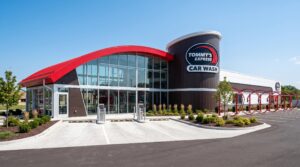
Tommy’s Express Car Wash Tommy’s Express Car Wash | www.tommys-express.com Tommy’s Express Car Wash Tenant Overview Tommy’s Express Car Wash operates as an international
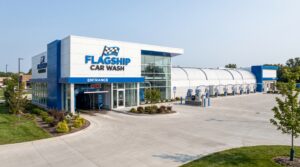
Flagship Carwash Flagship Carwash | www.flagshipcarwash.com Flagship Carwash Tenant Overview Flagship Carwash operates over 50 locations across the Virginia, Maryland, and D.C. region (with