The Fed has made substantial progress in slowing the rate of inflation, with CPI being only 1% above the Fed’s target. Assuming the Fed continues its pause, investors are preparing to step back into the market as cap rates are expected to fully top out in 2024.
A rate-cutting scenario, even if distant, would unlock even more stunted capital. There is a note of caution out there, but if things break the right way, this could be a much better cycle for returns than people are anticipating.
As the Fed contemplates its interest rate policy for the coming year, clear communication and forward guidance to financial markets and the public will be paramount.
The shadow or unregulated lending sector will see increased loan and deal volume as the Fed reduces interest rates next summer. The shadow lending sector includes REIT mortgage funds, private equity debt funds, CMBS conduits, and hard-money funds. These lenders currently fund about 15% of all CRE loans and will see their market share rise as more distressed assets come to market for debt and as the banks and other regulated lenders maintain their conservative CRE financing policies.
The U.S. CRE market has become bifurcated with the high growth low tax states substantially outperforming the low growth high tax states Today, the high-growth, low-tax states are experiencing tremendous influxes of new residents, and their economies are booming.
Retail real estate went through the wringer four to eight years ago, with thousands of store closures and dozens of retailer bankruptcies including Sears/Kmart, JC Penney, Neiman Marcus, Toys R Us, Gymboree, Payless Shoes, Ascena Retail Group, Forever 21 and many others will rebound and be the best-performing sector in 2024.
Dallas and Phoenix continue to lead in new industrial development. These two markets combined were responsible for more than 17% of all industrial starts in the nation, with Phoenix at number one.
Meanwhile, rent growth is also occurring, despite the normalization of demand this year, with Southern California clocking in as the only region with double-digit rent growth. Inland Empire, Los Angeles, and Ocean County saw these increases.
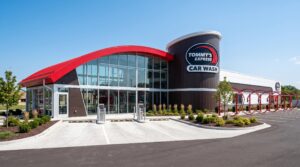
Tommy’s Express Car Wash Tommy’s Express Car Wash | www.tommys-express.com Tommy’s Express Car Wash Tenant Overview Tommy’s Express Car Wash operates as an international
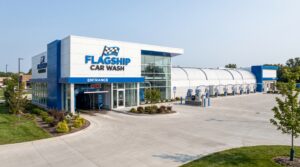
Flagship Carwash Flagship Carwash | www.flagshipcarwash.com Flagship Carwash Tenant Overview Flagship Carwash operates over 50 locations across the Virginia, Maryland, and D.C. region (with