

STNL Logistics Market Report
The logistics real estate sector continues evolving as e-commerce growth, supply chain shifts, and changing consumer expectations reshape demand for warehouses, distribution centers, fulfillment facilities, and industrial outdoor storage (IOS). Businesses are investing in larger logistics networks, automation, and strategically located facilities to improve efficiency and support faster, more resilient supply chains.
B+E’s Mid-Year 2026 STNL Logistics Market Report analyzes:
- Logistics real estate trends impacting investors
- Warehouse and distribution center demand
- Industrial Outdoor Storage (IOS) investment activity
- Cap rates and pricing for logistics tenants
- Amazon and FedEx market metrics
- Major logistics network expansion
- Regional inventory concentrations
- Recent logistics transactions and listings
Download the full report for detailed market data and investment insights.
What Is Logistics Real Estate?
Logistics real estate includes properties designed to support the storage, handling, packing, and movement of goods throughout supply chains. These assets commonly include:
Warehouses
Facilities used for inventory storage and management.
Distribution Centers
Properties supporting product distribution to retailers and customers.
Fulfillment Centers
Technology-driven facilities focused on direct-to-consumer shipping.
Industrial Outdoor Storage (IOS)
Sites combining outdoor storage areas with supporting office or warehouse space for equipment, fleets, and industrial operations.
As demand for faster delivery and stronger supply chains grows, logistics real estate remains an increasingly important segment of commercial real estate investing.
Why Logistics Real Estate Demand Continues Growing
Several trends continue driving long-term demand:
E-commerce Expansion
U.S. e-commerce sales reached approximately $300.2 billion in Q1 2025, representing 16.2% of total retail sales. Rising online purchasing has increased demand for fulfillment facilities and last-mile distribution networks.
Supply Chain Resilience
Businesses are expanding regional operations, increasing inventory reserves, and investing in automation following pandemic-era disruptions.
Automation & Sustainability
Smart warehouse technologies, robotics, and sustainable infrastructure are becoming larger priorities as operators pursue efficiency and reduced operating costs.
What Logistics Trends Mean for Investors
For net lease investors, logistics properties offer exposure to:
- E-commerce growth
- National credit tenants
- Supply chain infrastructure
- Long-term tenant demand
- Industrial and IOS expansion
However, investors should also evaluate:
- Rising construction costs
- Labor shortages
- Land scarcity in major metros
- Supply chain volatility
These factors continue influencing pricing, cap rates, and future development opportunities.
Download the Full Logistics Market Report
Access detailed tenant analysis, cap rates, inventory trends, major logistics market data, and investment insights in the complete Mid-Year 2026 STNL Logistics Market Report.
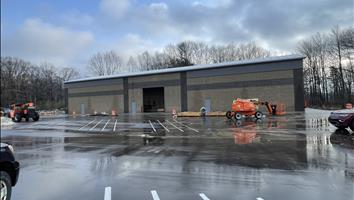
- $4,250,000
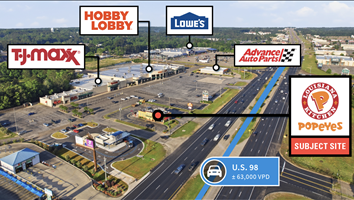

- $15,262,000